Informational Websites
Websites that present the business overview, services, features, and contact information, offering visitors a clear picture of the company or institution.
Identity & Services ShowcaseORKADA Digital Solutions offers website design and development services tailored to the nature of each business, its requirements, and its goals. We build websites that combine outstanding design, ease of use, clear information organization, and compatibility with various devices. We also offer e-commerce stores and SEO services for a fully integrated digital presence.
We start by understanding the business nature and target audience, then develop a vision for the website structure and pages, and move to design, development, and implementation of required features. The website becomes a clear digital interface that helps companies and visitors learn about the company, its services, and communicate with it easily.

Each business has different needs in terms of information, services, and target audience. Therefore, we define the website type, structure, and functions according to project requirements to deliver a digital experience suited to the business nature and goals.
We design company and institutional websites to serve as a digital interface that presents the business overview, services, areas of work, projects, and contact methods. We focus on building interconnected pages that help visitors understand the company and what it offers, with a design that reflects its professional identity and suits its corporate image.
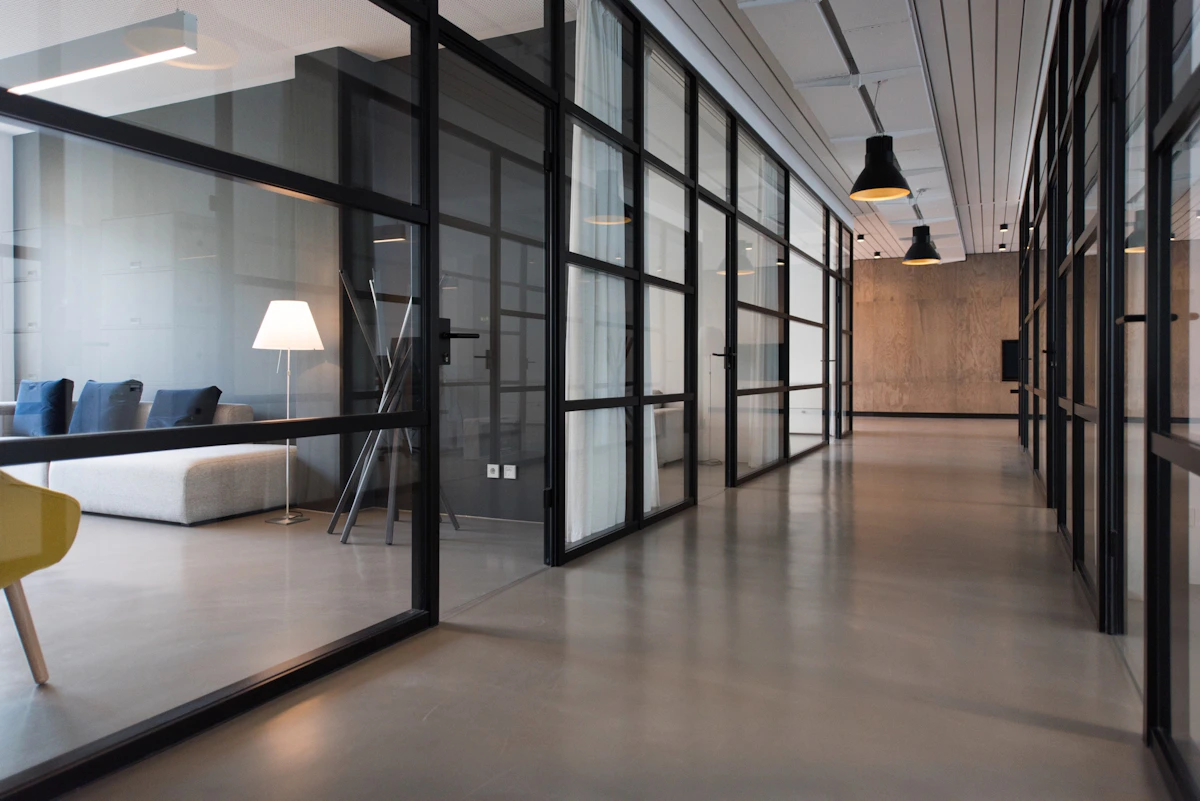
Websites that present the business overview, services, features, and contact information, offering visitors a clear picture of the company or institution.
Identity & Services ShowcaseOrganized platforms for large companies and institutions, including administrative departments, informational sections, services, and corporate information.
Corporate PresenceWebsites that display products, production lines, manufacturing capabilities, certifications, specifications, supply areas, and business communication.
Manufacturing & SupplyShowcasing previous projects, services, specializations, scope of execution, images, and information that demonstrate the company's capabilities.
Projects & WorksPlatforms for consulting offices and specialized service providers, presenting areas of specialization, services, consultation request mechanisms, and communication.
Services & ConsultingWebsites focused on displaying work samples, project studies, images, and technical details, with categories that facilitate reviewing achievements.
Portfolio GalleryWe consider the different nature of each sector when planning website pages and the way information, services, and projects are presented.
We follow organized steps in website design and development, starting with understanding the business needs and defining project goals, then planning and executing pages and reviewing them, leading to launching and delivering the website according to agreed requirements.
Every project begins with understanding its needs. We do not apply a single template to all websites; instead, we define the scope of work, pages, and required features according to the business nature, content volume, website usage method, and the desired outcome.
We begin by getting to know the company or business and understanding the nature of its services and target audience, then define the website purpose and the information and functions it needs, so that execution is based on clear requirements.
After defining requirements, we create the website structure and organize pages and their relationships, define navigation paths, and determine how content is presented. This phase helps build a clear website that makes it easy for visitors to explore its sections and access required information.
We move to building the visual interface and implementing specified pages and functions, considering business identity, element consistency, and ease of use. The website is developed according to the agreed structure, with content, images, forms, and required interactive elements prepared.
Before launching the website, we review pages, links, forms, and essential functions, and verify how it appears on various screen sizes. After addressing agreed feedback, the website is prepared for launch and delivered according to the project scope.
Website quality is not limited to design and page completion; it is tied to structure clarity, function integrity, usability suitability, and the ability to manage content and develop the website in the future.
Have an idea or project that needs a website?
Discuss Your Project Requirements With ORKADAWe focus on the details that shape the visitor's experience within the website—from how information is presented to the consistency of elements, colors, and fonts—to deliver clear, organized interfaces that reflect the brand's personality and help users interact with its content.
Professional design doesn't rely on choosing attractive colors alone; it builds an integrated visual system that defines the look of headings, text, buttons, images, and spaces, and makes all website pages consistent in appearance and usage.
We consider the nature of the audience the website addresses and arrange elements according to their importance, so essential information appears clearly, and required actions such as requesting a service or contacting are easy to reach without distracting the visitor with unnecessary elements.
Visual and functional details working together within each page
Selecting colors consistent with the brand identity, defining primary and secondary color tones, and using them consistently across different parts of the website.
Defining font sizes and weights for headings and text, and distinguishing main information from supporting details to facilitate reading.
Organizing text, images, cards, and white spaces to give the page visual balance and prevent information clutter.
Designing main and sub-menus, and clarifying navigation links between pages to facilitate exploring the site and accessing required sections.
Designing clear buttons, links, and consistent forms, while highlighting important actions such as contacting, requesting a service, and submitting inquiries.
Selecting images suited to the business nature, and using clear, consistent icons that help convey meaning and support content without visual clutter.
User experience relates to how the visitor interacts with the website, and how easily they understand information and access what they need. Therefore, we consider several aspects that affect their interaction with the pages.
Presenting content in a way that helps visitors understand the service without complexity.
Reducing unnecessary steps to reach important pages and information.
Maintaining a unified design style so the user doesn't feel the experience changes between pages.
Displaying contact, request, and form buttons in positions that are easy to notice and use.
The Result We Aim For: A website with a cohesive visual identity, clear interfaces, easy-to-read content, and organized interactive elements, so that all details serve the business nature and its visitors' needs.
A website is not just pages and content; it relies on a technical infrastructure that organizes how it works, how it's managed, and how its data is protected. Therefore, we pay special attention to technical aspects that ensure efficient operation, and facilitate management and development according to business needs.
Attending to technical factors affecting page load speed, and optimizing how files, images, and code resources are handled in line with the website's nature.
Adjusting the website structure and technical elements to work properly on computers, tablets, and phones, considering browser differences.
Considering essential security settings, using secure HTTPS connections, and organizing access permissions to the admin panel according to the project's nature and requirements.
Setting up an appropriate admin panel that allows updating texts, images, pages, and essential data without needing code modifications for each content update.
Preparing contact forms and service requests, and connecting the website with external tools and platforms such as analytics, email, and other systems according to project needs.
Organizing the technical structure in a way that allows adding new pages and features and expanding website functions in the future, without needing to rebuild the entire project with every expansion.
Technical requirements vary from one website to another based on the number of pages, required functions, content nature, and usage volume. Therefore, appropriate tools and settings are determined within the agreed project scope.
Website SEO begins with how its pages and content are organized, choosing the right keywords, and linking information into a clear structure. We consider these elements when building the website so it's ready to support and develop the digital visibility strategy in the future.
Organizing website pages in a way that helps search engines understand each page's topic and its relationship to other pages, while ensuring clear titles, internal hierarchy, and content distribution according to each service or topic.
Identifying phrases related to the business services, and considering search intent when distributing keywords across appropriate pages.
Preparing clear content that presents services and information in an organized manner, writing page titles and meta descriptions to match each page's topic.
Setting up structured data suited to the website's nature and pages, to help search engines interpret essential information related to the business and content.
Preparing the XML Sitemap, reviewing the Robots.txt file, and indexing settings, helping search engines discover important pages and handle them properly.
Connecting the website with appropriate Google tools such as Search Console and Google Analytics 4, according to the scope of work, to monitor visibility, visits, and performance indicators.
We consider SEO fundamentals during website setup, rather than dealing with them as separate add-ons after design and development are complete.
Website SEO helps build an organized foundation for visibility in search results, but it does not guarantee a specific ranking or reaching the first position; results are affected by competition, content quality, search engine updates, and other factors.
We've gathered the most important questions related to website design and development to help you understand the service details and requirements for executing your project.
Website requirements vary based on the business nature, goals, and required features. You can contact the ORKADA team to discuss your project details and determine the appropriate solution.
Contact ORKADAShare your project idea and needs with us to determine the appropriate scope of work together.